
Marine Construction in Houston & the Gulf Coast
Commercial and industrial marine work: inland dredging, dredge placement areas, outfall structures, coastal and inland levee systems, bulkheads and docks, revetment, and shoreline and erosion control. Backed by in-house cofferdam, dewatering and heavy civil crews for the parts of the job that happen on land.
Send us your plans · Call 832-803-6050
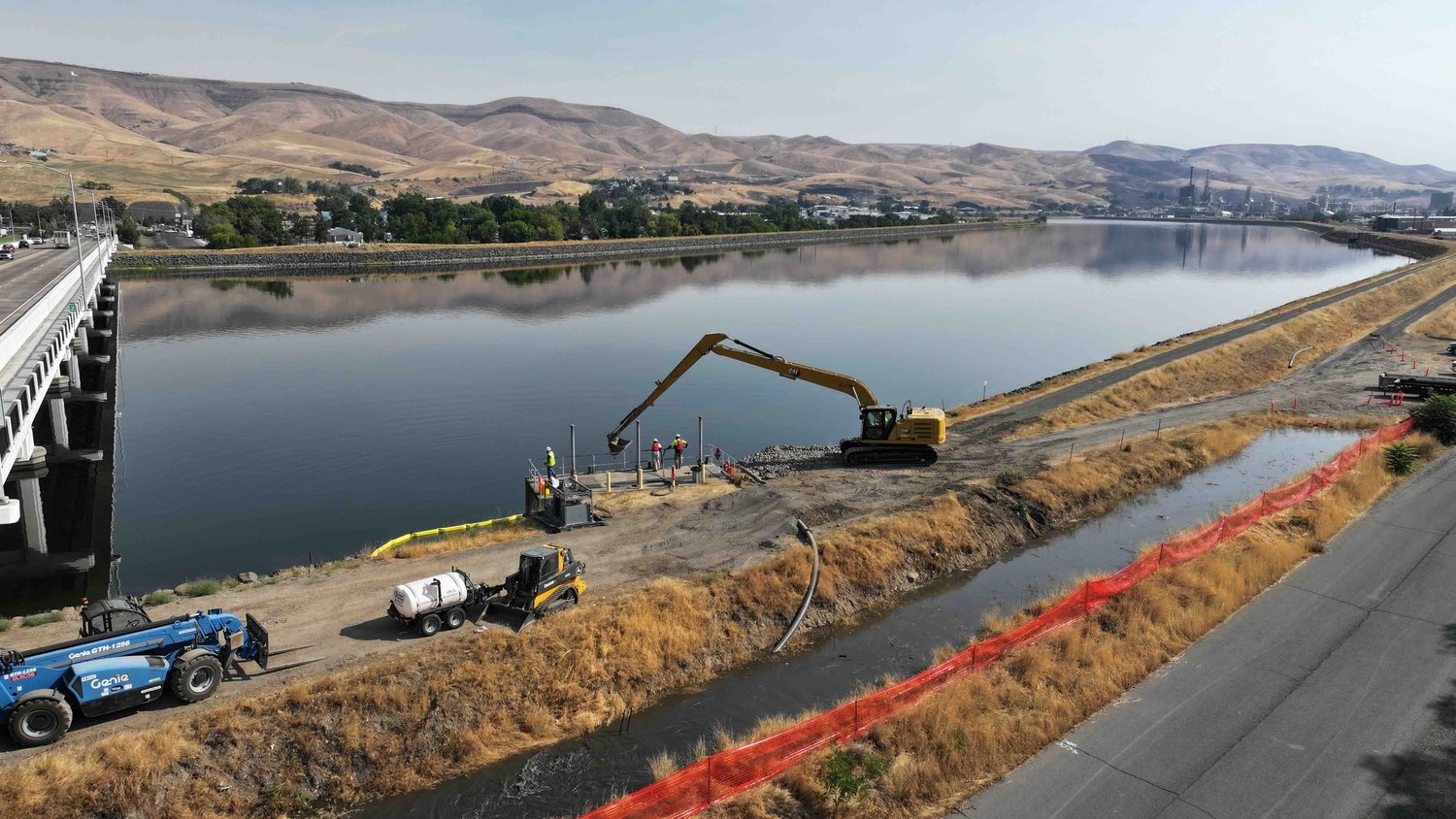
What we do
- Inland dredging. Restoring capacity in channels, ponds, detention basins and waterways, with the dredged material handled and placed as the project requires.
- Bulkheads. Steel and other bulkhead systems for commercial and industrial waterfronts, including replacement and repair of failing walls.
- Docks. Commercial dock construction and repair.
- Revetment. Rock and armor revetment to protect banks and shorelines from erosion and wave action.
- Shoreline & coastal erosion control. Stabilizing banks and shorelines that are losing ground, designed for the exposure the site actually sees.
- Marine cofferdams. Cofferdams for in-water structures and crossings, built by our own shoring crew.
- Dredge placement areas. Building and maintaining the areas that receive dredged material: containment dikes, weirs and drainage.
- Outfall structures. Construction and repair of outfall structures, and dredging and clean-out around them.
- Coastal & inland levee systems. Levee construction and repair, along the coast and on inland waterways.
Choosing the right shoreline solution
What protects a shoreline depends on the exposure, the rate of loss, the use of the waterfront and what is behind it.
- Working waterfront, vertical face needed: a bulkhead, designed for the retained height, vessel loads and scour at the toe.
- Banks losing ground to current or waves: revetment, sized for the energy at the site.
- Channels and basins that have silted up: dredging, with a plan for where the material goes before the first bucket.
- Structures built in the water: a cofferdam first, so the permanent work is built in the dry.
Marine work on the Gulf Coast
Tides, storm surge and soft bottoms shape every marine job on this coast. Hurricane season, June to November, sets both the schedule risk and the standard the finished work has to withstand.
Work in navigable waters and wetlands typically needs U.S. Army Corps of Engineers authorization, and coastal sites can involve the Texas General Land Office. Permits set the work windows and methods, so we plan around them from the start.
Access is often the hardest part: working from the water, from a soft bank, or both. We plan equipment and access before pricing, not after mobilizing.
How a job runs
- Review. Drawings, surveys, permits and access. What is in the water, and what is behind the bank.
- Plan & submittals. Method, equipment, work windows and environmental controls, submitted for approval.
- Mobilize. Equipment to site by land or water, with protection in place before work starts.
- Build. Dredging, walls or armor, in the sequence the permits and tides allow.
- Close out. Survey, cleanup and records.
Frequently asked questions
Do you work on residential docks?
No. Our marine work is commercial, industrial and public: channels, basins, bulkheads, revetment and shoreline protection.
Can you handle permitting?
Yes. We prepare permit applications directly, and the method statements and submittals the permits require, then plan the work around the permit conditions.
What happens to the dredged material?
It is planned before work starts: dewatered, hauled and placed or disposed of as the project and permits require. Our heavy civil crew handles the land side.
What do you need to price a marine job?
The plans, the specifications (the project manual) and the geotechnical report.
Where do you work?
We serve the whole United States. Right now our crews are working in Texas, Louisiana, Mississippi, Alabama and Florida, from our base in Houston.
Send us your plans. Plans, specifications and geotech report to estimating@dynaconusa.com, or call 832-803-6050 (Mon–Fri, 7 AM–4 PM CST). We serve the whole United States, with current work in Texas, Louisiana, Mississippi, Alabama and Florida.